

What is Dyslexia Remediation?

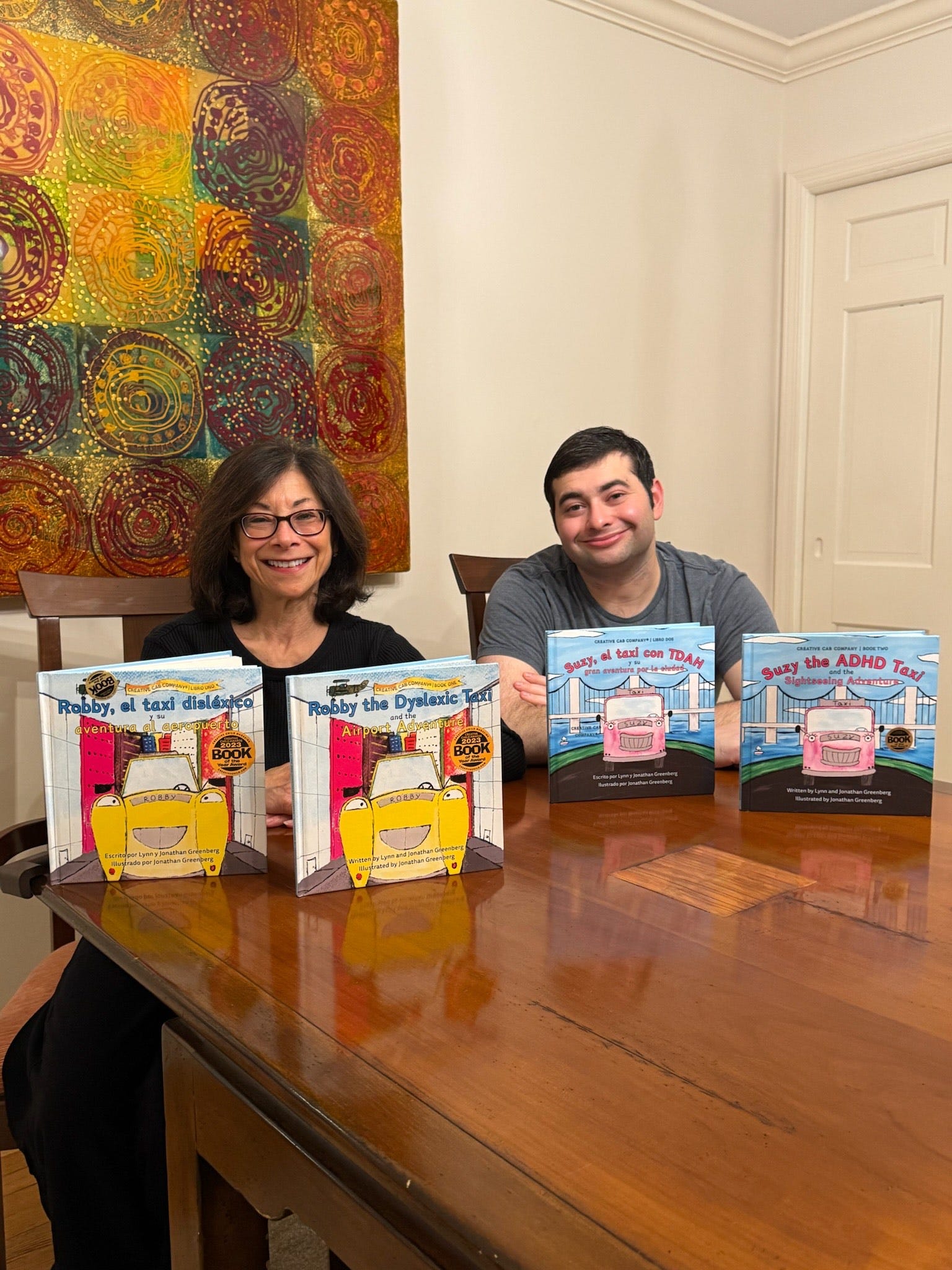
I have been lucky enough to be on about 75 podcasts in the last few years, and on all of them, and in life in general, I discuss Jon being remediated. I thought maybe I should take a moment to truly explain to the best of my non-medical ability, what remediation is and how it has helped our son.
The study of dyslexia began decades ago with Dr. Sally Shaywitz and her husband at the Yale Center for Dyslexia and Creativity. The working definition of Dyslexia is a phonological processing disorder. It is not, as some think, a lack of motivation or practice. Yet, practice alone and tutoring alone will not “fix” dyslexia. The key, Dr. Shaywitz found, is Remediation. This is teaching someone with dyslexia to learn to read. We were lucky enough to find an amazing school called the Windward School, and Jon was lucky enough to go there. They use the Orton-Gillingham method of teaching dyslexics. It has been found to be the most effective way to teach people with dyslexia.
When I say remediation, what does that mean? To be remediated involves the following: Teaching dynamic awareness (the hearing of sounds in words), Phoneme-grapheme mapping, teaching syllable types and spelling rules, Orthographic patterns, Morphology (meaning prefixes and suffixes), and roots.
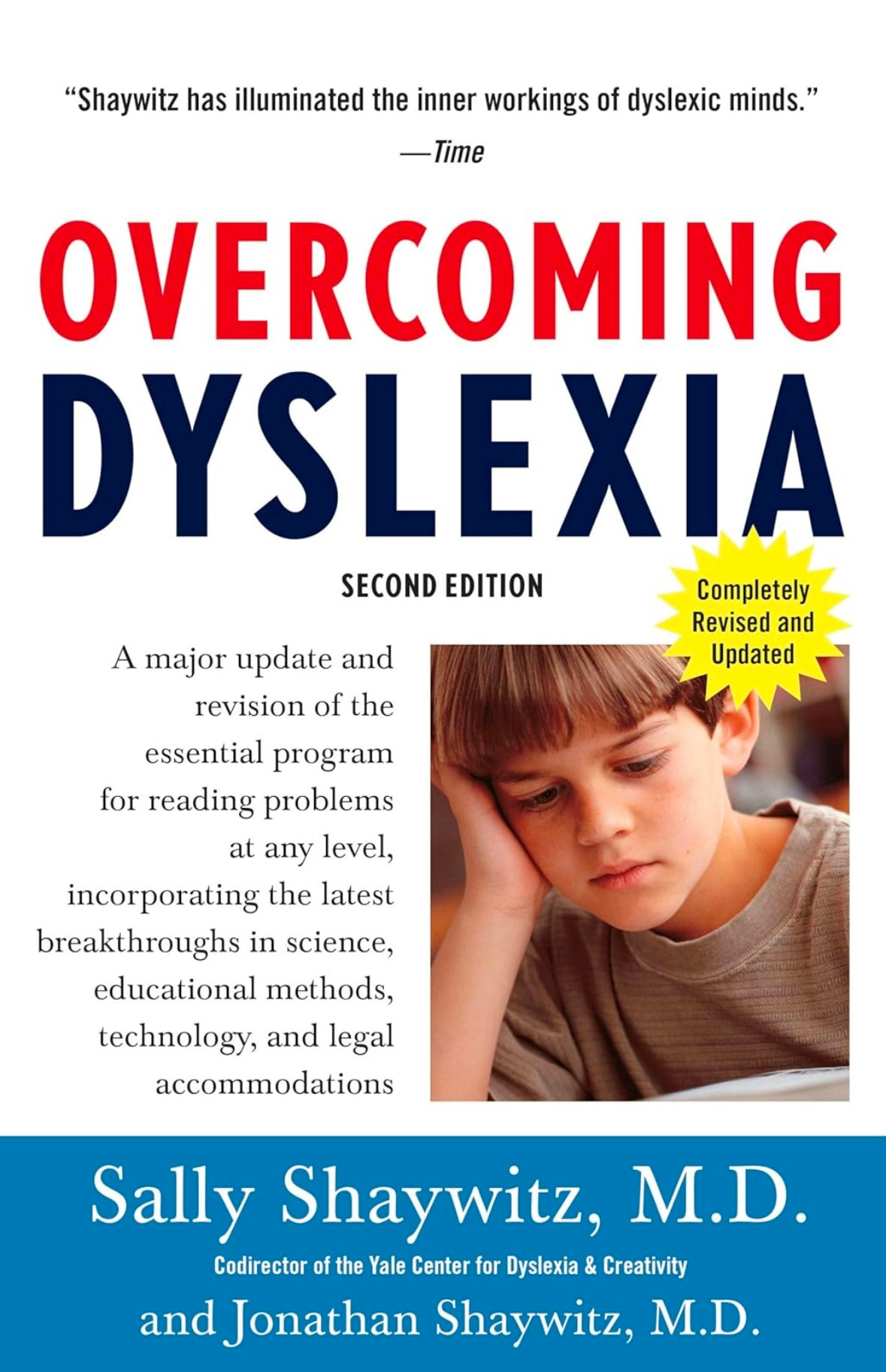
What does all this mean? It means that for someone who just learned how to read, they may not understand how they have learned to read, but a dyslexic must be taught. And how do we do that? Dr. Shaywitz found through functional MRIs that, for a “normal” reader, certain areas of the brain light up automatically, but for someone who is dyslexic, no matter how much time and practice go into learning to read, these areas will never light up. So one must understand that and teach using other areas of the brain. This is remediation, achieved through explicit, systematic, and cumulative instructions delivered using a multisensory, repetitive approach. Learning can be done by making the shapes of the letter in the sky or with shaving cream. This is part of the multisensory and repetitive nature of the learning process.
It is very important, though, to start this early in a child’s life, before too much time, academic struggle, school avoidance, anxiety, and depression have become a part of a child’s makeup. When the brain is less mature, learning comes more easily. And also, the unnecessary shame that is often placed on a dyslexic will not be as ingrained and so will not inhibit their growth. The best ages to begin the education and “brain” training are before third grade. After that, it becomes harder to learn effectively. Because Jon began his learning journey when he was six and starting second grade, he reads fluently and better than many “normal” readers. He is an avid reader and my co-author in the Creative Cab Company series of children’s books featuring Neurodivergent characters.
How can we best help our children? It is so important to see your child and understand not just the obvious fact that a child is not learning to read, but also the less obvious non-verbal cues such as fear of school, stomach aches, “acting out,” and negative self-image. For us, Jon was always a kind and thoughtful person, but at school, where he was often misunderstood, he struggled to attend and, once there, didn’t “behave” age-appropriately. His teacher would make him stand up and “read,” and when he couldn’t, he would get up and walk away. His teacher couldn’t understand why he was “misbehaving”, but it was obvious that he was absolutely not misbehaving, but was embarrassed that he could not read like his classmates and did not want to be put on a stage. If we had not intervened when we did, that negative self-image would have persisted longer than it did, becoming a lifelong problem.
I once read that in America, an estimated 50% of the prison population is dyslexic. A population of which 80% is functionally illiterate. It makes me think that our jails are filled with people who cannot read and got into trouble because they were acting out or couldn’t hold a job, and got into trouble so much so that they could feed themselves and their families.
Early testing, meaning early remediation, is the key. If you feel that your child has “something going on” that is antithetical to their true personalities, don’t let anyone tell you that it’s a behavioral issue. Pursue every avenue within your means to get the help your child deserves. Today, there are groups that can help you find answers and podcasts, and in general, more people are aware of dyslexia and other neurodivergent differences, so the conversation is less difficult than it was 20+ years ago.
If you think something needs attention, go with your gut and seek the help that you think is best for your child. If unsure where to start, reach out to us, visit our website at creativecabcompany.com (we have resources), send an email, or follow us on social media. My hope is that maybe we can help in some way. It may not be easy to get the help and the answers that you need for your child, but it is so important! Your child will thank you, and you will all reap the benefits of the intervention and then the appropriate remediation.
Fascinating article!